
I’m a Weeper
The soul refuses to concede what the mind concludes

I’m a weeper.
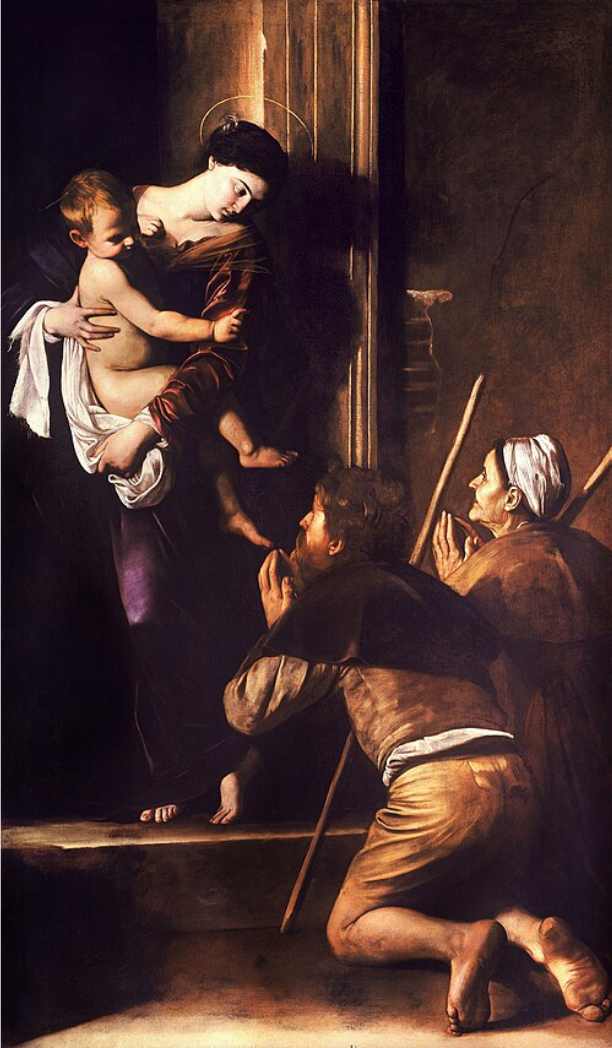
At predictable ecstatic moments I weep – when the Countess pardons her philandering husband in Act Four of Figaro; at “Mache Diche” in Bach’s St. Matthew Passion, where the bass bids farewell to the mortal Jesus; at Caravaggio’s Madonna di Loreto, in Sant’ Agostino in Rome, no matter how often I’ve gazed at it; often, often in Shakespeare (Portia’s sublime speech about “the quality of mercy” supplies a clue); often in Handel, too, but assuredly in Messiah at the first notes of “For Thou Didst Not Leave his Soul in Hell,” where the gloom of suffering gives way to the glory of eternity. Reading my own stuff to Jane I blubber, marring the effect, embarrassing myself. I only read things to Jane I’m proud of though I claim to be seeking guidance. She is not fooled; nor (alas) is she always convinced.
I commend a susceptibility to weeping, while condemning my inability to stanch it. What an ass I am, I growl in the throes; what a baby! This emotional gush is as unpreventable as sneezing or vomit. It shames me though I believe it shouldn’t.
What, I wonder, are these tears all about?
They’re not about rage, anger, disgust, pain. I curse and howl at The Nameless One but never sob.
A perception of beauty overwhelms my emotional defenses – but not any beauty. Much beauty I revere moves me but not to liquefaction. I can gaze at Michelangelo dry-eyed (except maybe at his Pieta or David).
Sometimes my tears surprise me but often I know they’re coming – and would be disappointed if they didn’t. There’s a small downward phrase in the second theme of the second movement of Mozart’s Concerto for Flute and Harp that gets me every time. It’s the matter of an instant – and recurs only thrice – but yikes. Reading my own stuff, I can’t predict when tears will brim, but dammit if they don’t.
Forgiveness, redemption, mortality power this enormity. Man can be so measly, mischievous, monstrous – but not always. Sometimes we can be so much more than we imagine, so salvageable from the mire. And for that startling achievement we may merit – and receive – at our finish line – an impassioned parental embrace. Pal Henry does not weep because dogs do not discern the daunting difference between the actual and the possible. What is is, not use crying about it. Humans can dream of high peaks and sometimes touch them – peaks of beauty, courage, grace, love – and when that happens grateful gladness gathers in me like a water-balloon and gushes. Death is no longer death. Everlasting life is not just rhetoric. Jesus lives, Shakespeare lives, Bach, Caravaggio, Handel, Mozart, so many makers live and continue to give. So might I, you, any of us, if we strive! Isn’t that worth a tear or two?
These paragraphs slobber with analogies and abstractions but it can’t be helped. Ecstasy defies definitions. My weepiness is a recurrent physical fact – so it must be explicable, right?
These are dark days for civilization. The stupidity and turpitude of our kind get us down. Headlines horrify. Yet I can’t help hoping. Humans have achieved marvels. How can creatures who created King Lear and the Sistine Ceiling and the Hallelujah chorus swirl into inadvertent dust? We’ve overcome our mereness before, mightn’t we again? My mind says no, but my soul refuses to concede. We are down but not out. Human possibility continues to glow like a lodestar in the dark. Let us navigate our little barks in its direction.
That gift – of possibility – is so radiant I can’t help weeping.
Thank you
I was called a disgrace to the sixth form at school for being reduced to tears by a piece of music. Now that too reduces me to tears.